Your Chatbot May Know More About Your Market Than You Think
A chatbot is usually deployed for a fairly straightforward reason.
Customers have questions. The chatbot answers them.
If it can handle repetitive enquiries quickly and accurately, customers get an immediate response and employees spend less time answering the same questions again and again.
That’s already useful.
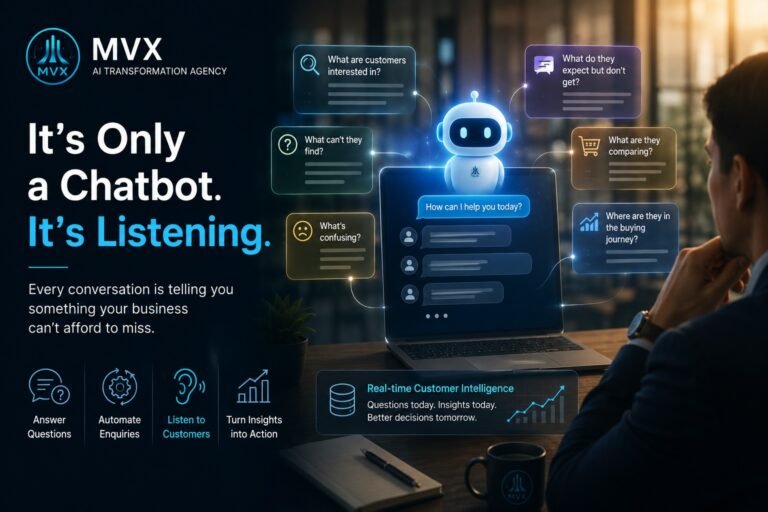
But we’ve been exploring another source of value sitting inside those conversations.
The questions themselves.
What Happens When You Stop Looking at Conversations One at a Time?
We were recently exploring the event enquiries received by a hotel chatbot.
Normally, each conversation has a simple purpose.
A customer asks about holding a wedding, meeting, annual dinner or other event at the hotel. The chatbot answers questions, gathers information and, where appropriate, helps prepare the enquiry for the sales team.
Once that interaction is over, it’s tempting to consider the chatbot’s job done.
But what happens if we take hundreds or thousands of those conversations and look at them collectively?
Suddenly, we’re not looking at individual enquiries anymore.
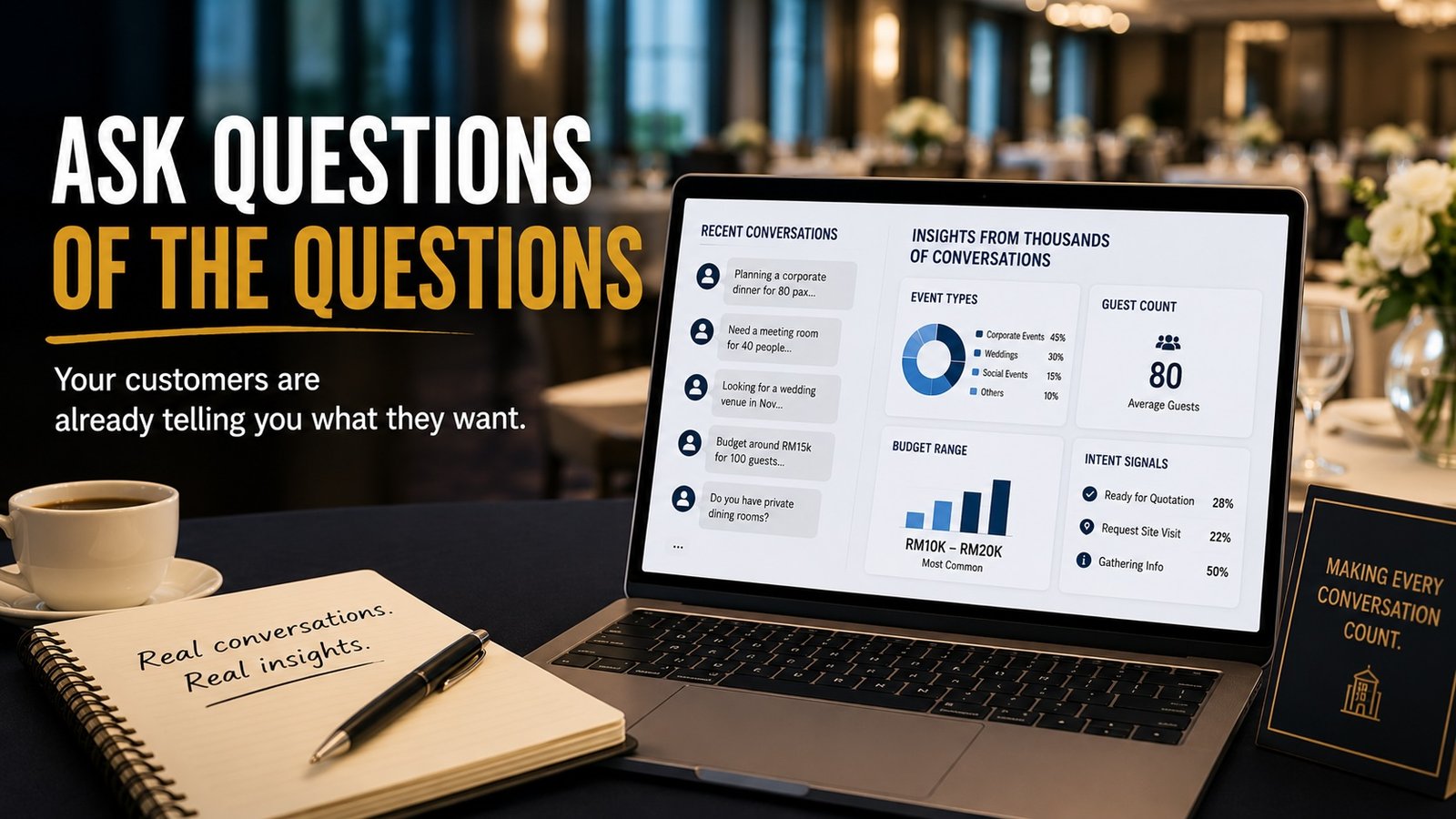
We’re starting to see the market from the customer’s perspective.
Customers Are Telling You What They Want
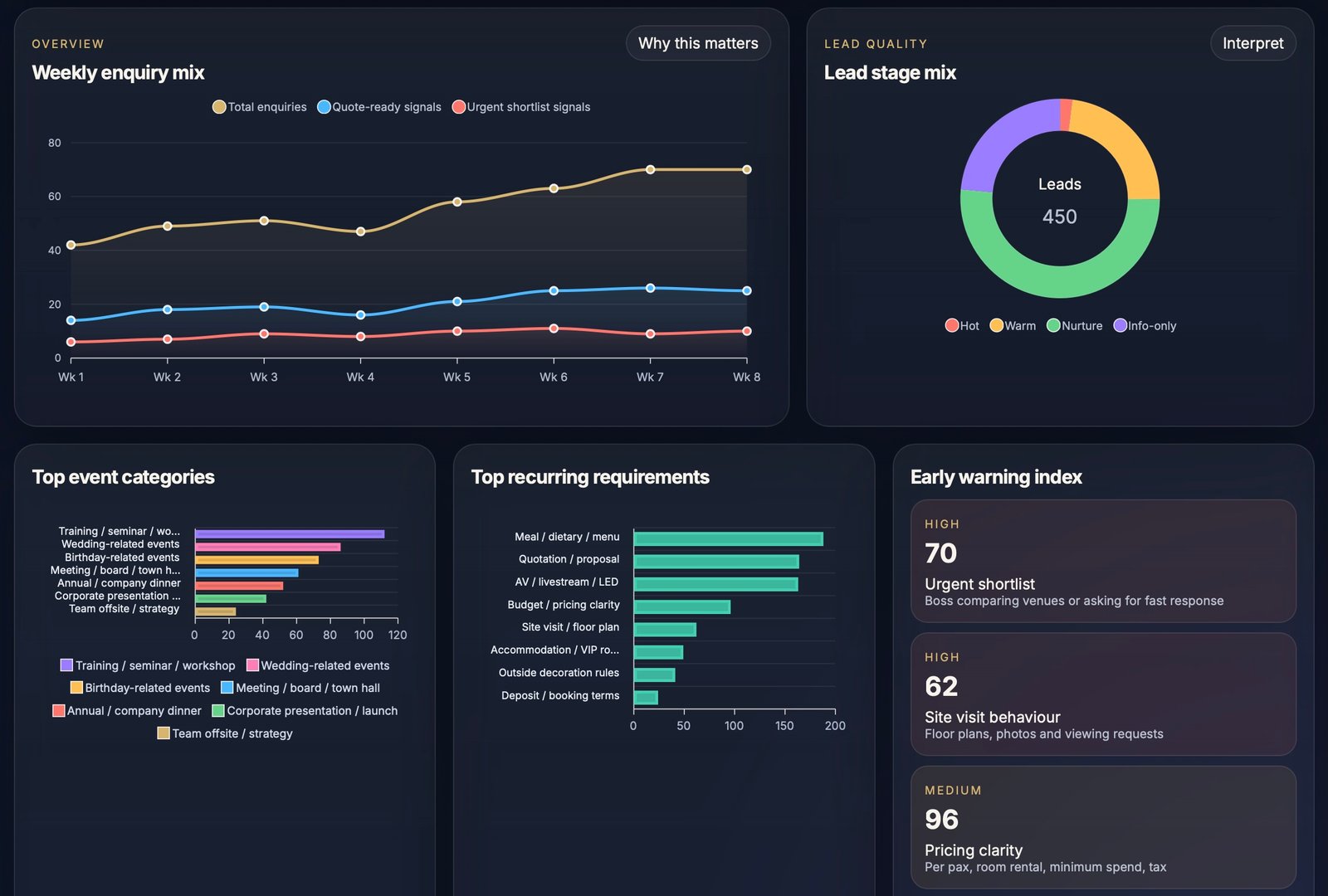
Consider the information that naturally emerges during an event enquiry.
What type of event are they planning?
How many people are attending?
When are they considering holding it?
What kind of budget are they working with?
Do they need catering?
Are they asking about menus?
Do they require AV equipment?
Are they looking for floor plans?
Do they want a quotation?
Are they ready to arrange a site visit?
None of these questions is particularly remarkable on its own.
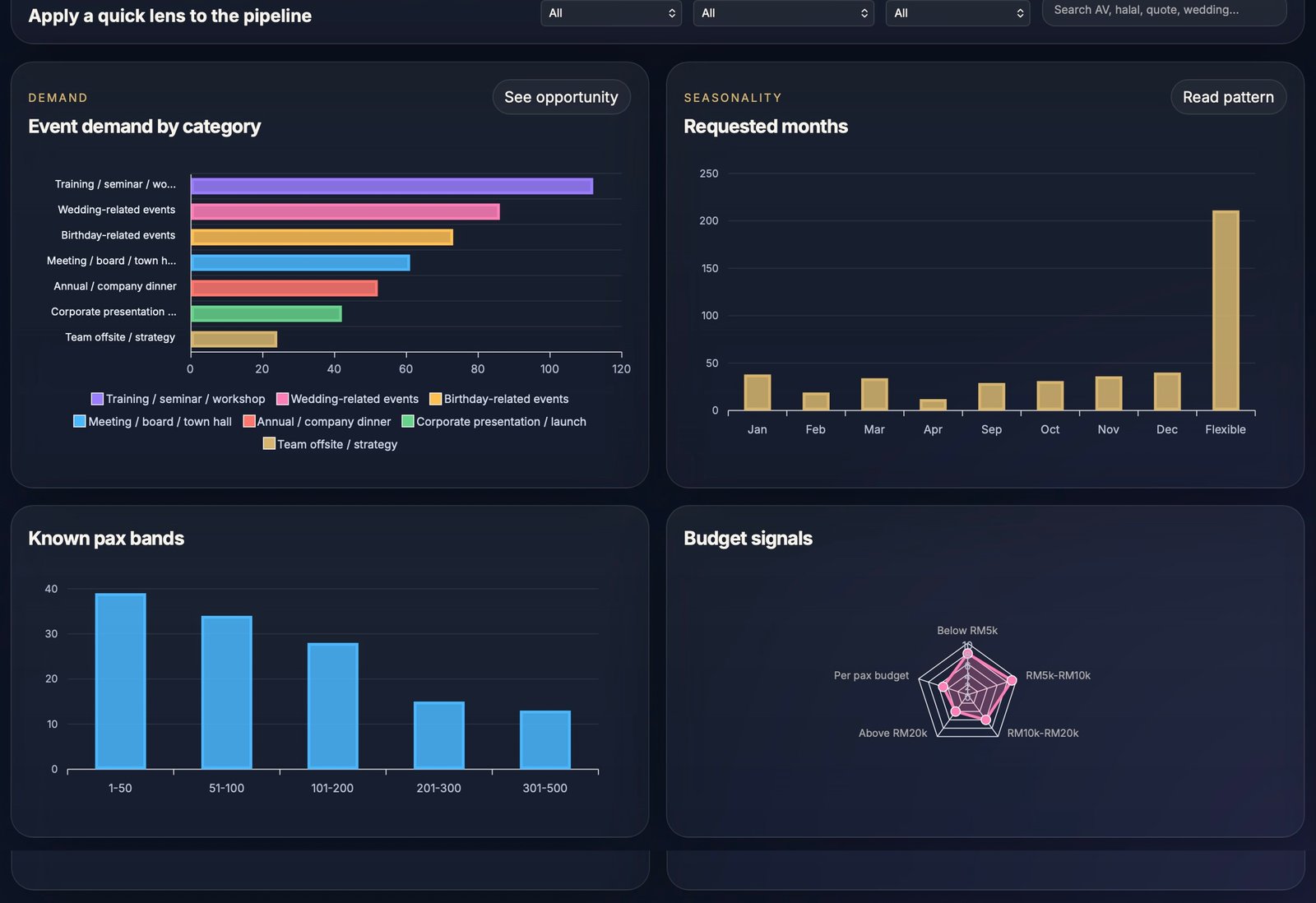
But when you start looking for patterns across hundreds of conversations, they become much more interesting.
Perhaps enquiries for annual dinners begin increasing several months before a particular period.
Perhaps customers planning weddings consistently ask for something that isn’t clearly explained on the hotel’s website.
Perhaps a particular event size appears much more frequently than expected.
Perhaps customers repeatedly ask about an add-on service the hotel hasn’t been actively promoting.
Now the chatbot isn’t simply answering questions.
It’s helping the business understand demand.
Conversations Can Also Reveal Buying Intent
There’s another layer that I find particularly interesting.
Not every customer asking a question is at the same stage of their buying journey.
Someone asking:
“What event spaces do you have?”
may simply be exploring.
Someone asking about capacity and packages may have moved further along.
But consider a customer asking about:
availability, pricing, floor plans and arranging a site visit.
That’s a very different conversation.
They haven’t explicitly said:
“I’m a highly qualified sales lead.”
They don’t need to.
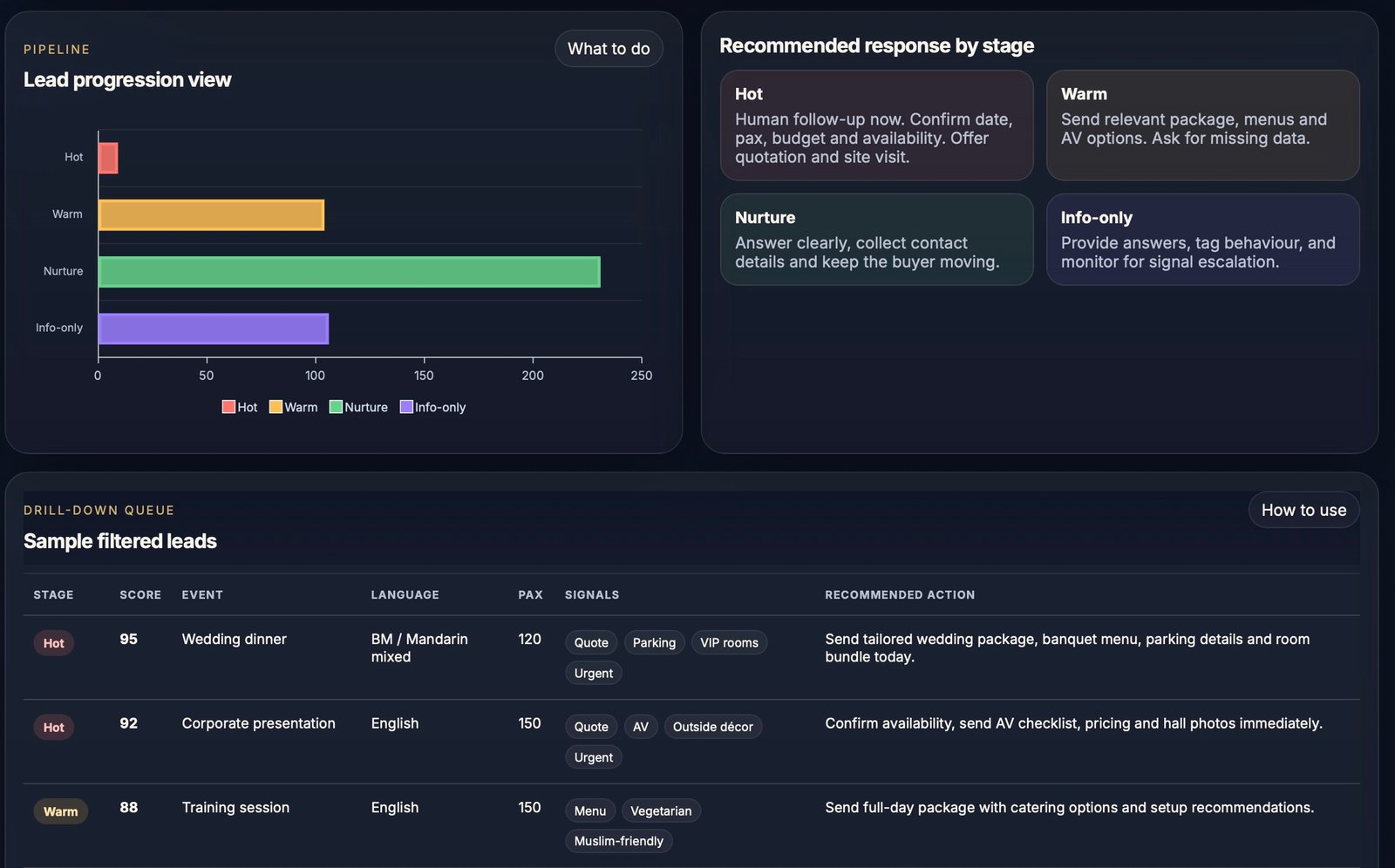
Their behaviour is already giving you signals.
The combination of questions can tell us something about where that customer may be in their decision-making process.
That’s useful intelligence for the salesperson who eventually takes over the conversation.
This Is Where AI and Humans Can Work Particularly Well Together
I’ve written before about using AI for sales qualification.
This is another example of why I don’t see AI as a replacement for the salesperson.
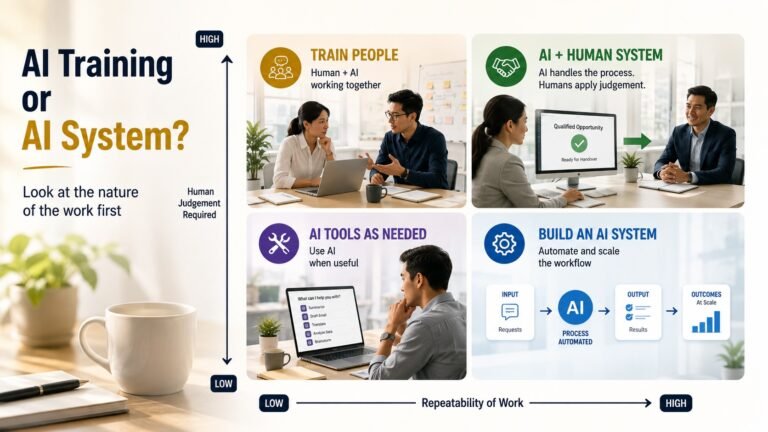
The AI can handle the repetitive part exceptionally well.
It can respond immediately.
It can gather information consistently.
It can identify what the customer is looking for.
It can help recognise signals that suggest the customer is moving closer to a decision.
Then the salesperson steps in.
But instead of beginning the conversation from scratch, the salesperson has context.
They know what the customer has already asked.
They know something about the event.
They know which information appears to matter.
The AI prepares the opportunity.
The human develops the relationship.
From Customer Service Data to Customer Intelligence
This changes how I think about the value of a chatbot.
If we measure it purely by the number of enquiries answered, we’re only seeing one part of its contribution.
We can certainly measure response times.
We can measure how many conversations it handles.
We can calculate how much repetitive work has been removed from employees.
Those are useful operational metrics.
But the conversations themselves can create another asset:
customer intelligence.
Every customer interaction contains clues about demand, intent, preferences and friction.
Individually, they’re anecdotes.
Collectively, they become patterns.
And patterns can help businesses make better decisions.
What Could the Business Learn?
For a hotel handling a large volume of event enquiries, analysing those conversations could eventually help answer questions such as:
Which types of events are generating the most interest?
What event sizes appear most frequently?
Which months are customers considering?
What requirements are repeatedly requested?
Which questions appear most often before someone requests a quotation?
What information do customers struggle to find?
What combinations of questions appear to signal stronger buying intent?
Those insights could potentially influence more than the chatbot.
They could help sales teams prioritise leads.
They could inform marketing campaigns.
They could identify information that should be made clearer on the website.
They could influence packages and promotions.
They could even reveal opportunities for new products or services.
The conversation that began as customer service has suddenly become useful to sales, marketing and management.
Your Customers May Already Be Giving You the Research
Companies spend considerable amounts of money trying to understand what customers want.
They conduct surveys.
They organise focus groups.
They commission market research.
All of those approaches have value.
But there is something particularly interesting about chatbot conversations.
Customers aren’t being asked what they might want.
They’re approaching the business with something they actually want to know.
That doesn’t make chatbot data a replacement for proper market research. There are biases and limitations in any source of customer data, and privacy and governance need to be handled properly.
But it does make these conversations a valuable source of real-world signals.
Your customers are telling you what’s on their minds while they’re actually considering your business.
That’s worth listening to.
The Chatbot Is Only the Beginning
This is why I think businesses should be careful about viewing a chatbot simply as an automation project.
Yes, it can answer repetitive questions.
Yes, it can provide immediate responses.
Yes, it can reduce workload.
But if you’re handling thousands of customer conversations, there may be something much more valuable accumulating behind the scenes.
A constantly growing picture of what your customers are looking for.
One conversation tells you what one customer wants.
Thousands of conversations can begin to tell you what your market wants.
The chatbot lets your customers talk to you.
The data from those conversations helps you listen.